
30 June 2026
DIY vs Specialist Tile and Grout Cleaning: Which Option Saves More Money
Your tiles and grout are looking dull. Maybe the grout has changed colour. Maybe the floor just does not feel clean anymore. You face a decision: rent or buy equipment and do it yourself, or hire a specialist service.
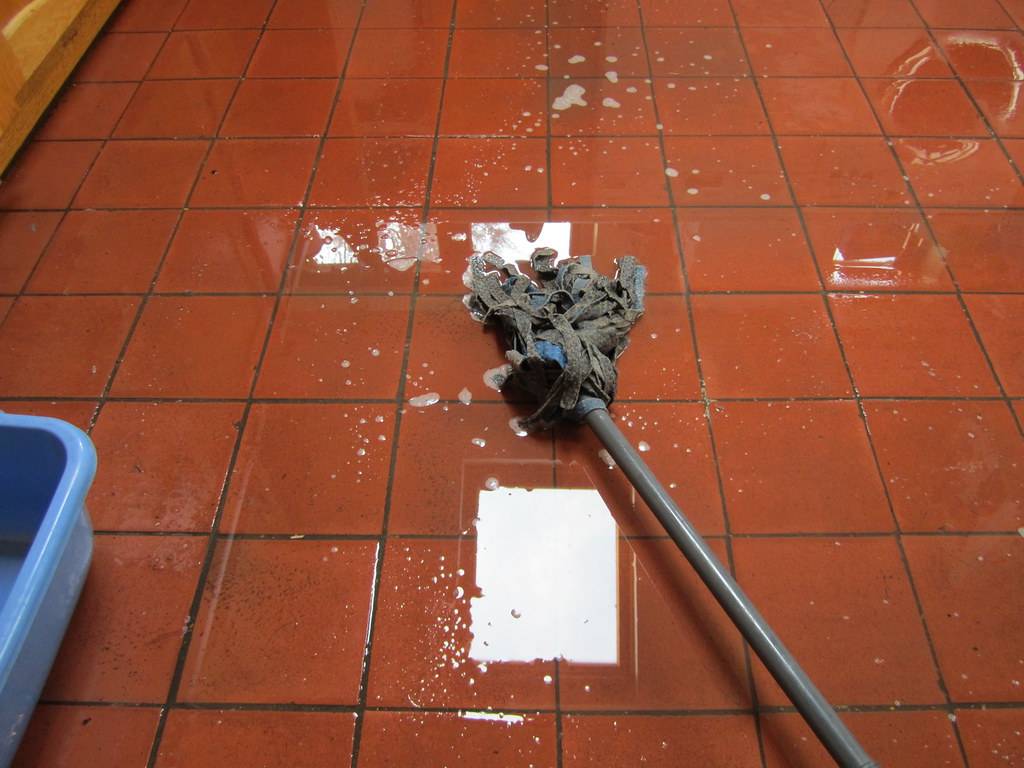
The answer is rarely simple. DIY looks cheaper on paper. Specialist cleaning appears expensive. But the full picture includes time, results, risk, and long term value. This article breaks down the real costs of both approaches so you can choose what works best for your home and your budget.
Upfront Cost Comparison
Money is the first thing most people consider. Let us look at what each option actually costs in Australia.
DIY Equipment Costs
If you want to clean your tiles and grout yourself, you need to buy or hire the following items:
Basic DIY setup (manual cleaning)
| Item | Typical Cost (AUD) |
|---|---|
| Grout brush (stiff bristle) | $10 to $25 |
| Spray bottles (2 pack) | $10 to $20 |
| Microfiber cloths (pack) | $15 to $30 |
| Grout cleaning solution (1 litre) | $15 to $35 |
| Bucket | $8 to $15 |
| Scrub pad or sponge | $5 to $10 |
| Protective gloves | $5 to $15 |
| Total basic setup | $68 to $150 |
Advanced DIY setup (with machine)
| Item | Typical Cost (AUD) |
|---|---|
| Steam mop or scrubber | $150 to $500 |
| Grout cleaning attachments | $20 to $60 |
| Heavy duty grout cleaner | $20 to $45 |
| Grout sealer (250ml) | $25 to $50 |
| Total with machine | $215 to $655 |
These are one-off purchases. But cleaning solutions run out. Brushes wear down. Steam mops break. You will need to replace items over time.
Specialist Service Costs
Tile and grout cleaning in Australia typically costs:
| Service | Typical Cost (AUD) |
|---|---|
| Small room (bathroom or laundry, up to 5m2) | $120 to $200 |
| Medium room (kitchen or dining, 5 to 15m2) | $200 to $350 |
| Large area (open plan, 20 to 40m2) | $350 to $600 |
| Grout sealing (per room) | $80 to $200 extra |
| Whole house package | $500 to $1,200 |
Most companies charge per square metre, with rates between $15 and $35 per square metre. Minimum call-out fees are common, usually around $120 to $150.
Cost Comparison Table
| Factor | DIY | Specialist |
|---|---|---|
| One room cost | $70 to $150 (basic tools) | $120 to $200 |
| Whole house cost | $200 to $650 (buy equipment) | $500 to $1,200 |
| Already have a steam mop? | $15 to $50 (just supplies) | Same as above |
| Cost of redo if unhappy | More supplies ($15 to $50) | Call-out fee ($120 to $200) |
| Equipment lifespan | 6 months to 3 years | Not your concern |
Time Investment
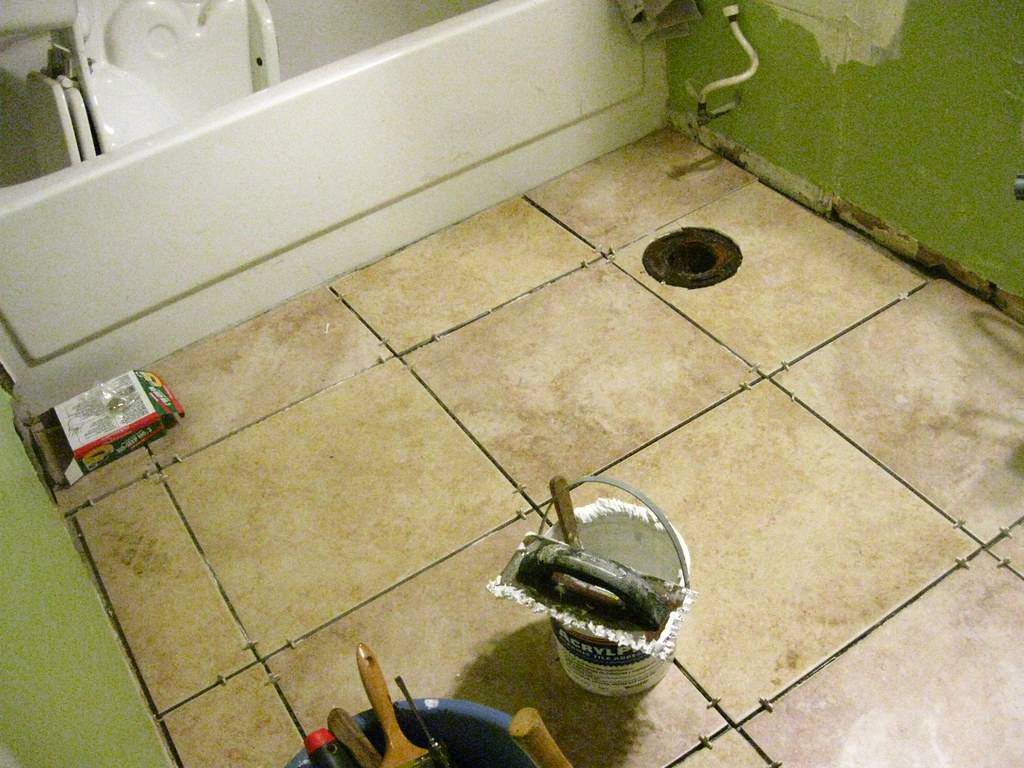
Time is money. DIY cleaning takes far longer than most people expect.
DIY Time
Here is what a typical DIY session looks like for a medium sized kitchen (around 12m2):
- Researching products and watching tutorials: 1 to 2 hours
- Driving to the store and buying supplies: 45 minutes to 1.5 hours
- Clearing the room and preparing: 15 to 30 minutes
- Applying cleaner and scrubbing grout lines: 1.5 to 3 hours
- Machine cleaning (if using one): 30 to 60 minutes
- Rinsing and drying the floor: 30 to 45 minutes
- Cleaning your tools and putting everything away: 15 to 30 minutes
Total: 4 to 8 hours for one room
For a larger area, double or triple that time.
Specialist Time
A specialist team cleans the same medium kitchen in roughly:
- Setup and moving furniture: 10 to 15 minutes
- Pre-treatment and agitation: 15 to 20 minutes
- Hot water extraction cleaning: 20 to 30 minutes
- Grout cleaning and sealing (if requested): 20 to 30 minutes
- Cleanup and putting furniture back: 10 to 15 minutes
Total: 1 to 2 hours for one room
Specialists clean multiple rooms in a single visit. A whole house takes 3 to 5 hours. The same job would take a homeowner one or two full weekends.
What Your Time Is Worth
If your time is valuable, DIY may not save money. A $200 specialist clean saves you 4 to 8 hours of labour. That works out to $25 to $50 per hour of saved time. For many people, that is a fair trade.
Equipment Quality
The biggest difference between DIY and specialist cleaning is not skill. It is the equipment.
Store Bought Equipment
Consumer steam mops and scrubbers have limits:
- Water temperature: Most home steam mops heat water to around 100 to 120 degrees Celsius at the nozzle. By the time steam hits the floor, it has cooled significantly.
- Pressure: Home machines spray at low pressure. They rely on scrubbing action rather than forceful water jets to dislodge dirt.
- Suction: Consumer extractors have weak suction. They leave more moisture behind, which means longer drying times and higher risk of mould.
- Durability: Most home machines are designed for light weekly cleaning, not heavy restoration work.
Specialist Equipment
Specialist truck mounted units are in a different category:
- Water temperature: These systems heat water to 150 to 200 degrees Celsius. High temperature breaks down grease, oils, and soap scum instantly.
- Pressure: Specialist units spray at 500 to 1,500 PSI (pounds per square inch). This force blasts dirt out of pores in the tile and grout.
- Suction: Industrial vacuum systems pull almost all moisture back out. Floors dry in 1 to 2 hours instead of 6 to 24 hours.
- Flow control: Specialists can adjust water flow to avoid oversaturating grout lines.
Portable specialist machines (used by some smaller operators) are less powerful than truck mounts but still outperform consumer grade equipment.
Cleaning Effectiveness
Not all dirt is the same. Different situations need different approaches.
What DIY Can Achieve
DIY cleaning works well for:
- Light surface dust and foot traffic marks
- Recent spills that have not set into grout
- Regular maintenance cleaning between deeper cleans
- Small areas like a toilet or laundry nook
- Tiles that are already in good condition
A thorough DIY scrub with a stiff brush and a good cleaner can lift a surprising amount of dirt. Steam mops handle daily grime on tile surfaces well.
Where DIY Falls Short
DIY struggles with:
- Grout that has not been cleaned in years
- Embedded dirt deep inside porous grout
- Grease buildup in kitchen areas
- Soap scum in showers and bathrooms
- Mould and mildew that has penetrated grout
- Hard water stains and mineral deposits
Grout is porous. When dirt, oil, and bacteria get deep into the material, surface cleaning cannot reach it. You might make the grout look lighter, but the contamination remains below the surface.
What Specialist Cleaning Achieves
Specialist hot water extraction cleans deep inside the grout structure. The combination of heat, pressure, and strong suction removes contaminants that scrubbing cannot reach. Specialists also use commercial grade cleaning agents that are stronger and more targeted than store bought products.
For heavily soiled areas, the difference is significant. Grout that appeared permanently stained often returns close to its original colour after specialist treatment.
Grout Restoration
Grout is the weak point in any tiled surface. It is porous, rough textured, and absorbs whatever touches it.
When DIY Grout Cleaning Works
If your grout is in good physical condition (no cracks, no missing sections) and only has light surface discolouration, DIY cleaning can help. A mixture of warm water and a mild cleaner, scrubbed with a grout brush, often improves appearance.
Baking soda and vinegar solutions are popular online, but they have limits. Vinegar is acidic and can damage certain types of tile, especially natural stone. Baking soda is mildly abrasive and can scratch polished tile surfaces. Use these home remedies with caution.
When Grout Restoration Is Needed
Several situations call for specialist restoration:
- Heavy staining: Grout that has turned dark grey or brown from years of ground in dirt.
- Mould growth: Black or green mould inside grout lines requires specialist cleaning and often replacement.
- Crumbling grout: If grout is cracking or falling out, cleaning alone will not fix it. The old grout must be removed and replaced.
- White powdery residue: Efflorescence (mineral salts coming to the surface) needs specialist treatment.
- Colour change: If you want to change your grout colour, specialist recolouring is the most reliable method.
After specialist cleaning, applying a high quality grout sealer creates a barrier that stops dirt and moisture from penetrating. This keeps grout cleaner for longer and makes future cleaning much easier.
Risk of Damage
DIY cleaning carries real risks. A mistake can cost more than the specialist service would have.
Common DIY Mistakes
Using too much water
This is the most frequent error. Excess water seeps through grout and sits under the tile. Over time, this causes:
- Mould growth under the floor
- Loose or lifted tiles
- Weakened adhesive (thin set)
- Wooden subfloor rot in older homes
Wet vacuum extraction removes most water. Manual cleaning with a mop leaves a lot behind.
Wrong chemicals
Tile and grout cleaners contain harsh chemicals. Using the wrong product can:
- Etch or dull polished tile surfaces
- Discolour natural stone like marble, limestone, or travertine
- Damage coloured or epoxy grout
- Produce harmful fumes in enclosed bathrooms
Many store bought products are not safe for all tile types. Reading labels is essential, but many homeowners do not realise their tile needs special care.
Scrubbing too hard
Grout is hard but brittle. Aggressive scrubbing with metal brushes or abrasive pads can:
- Scratch the glaze off ceramic tiles
- Gouge out soft grout lines
- Create uneven surfaces that trap more dirt
Damaging grout lines
Poking and scraping at stubborn spots with sharp tools can chip or crack grout. Once damaged, grout must be removed and replaced. This is a messy, time consuming job.
Specialist Know-how
Tile and Grout Specialists know which chemicals work for each tile type. They adjust pressure and temperature based on the condition of the grout. They recognise signs of underlying issues like failed waterproofing or loose tiles. This know-how prevents damage and catches problems early.
Need Your Tiles Cleaned?
Mobile tile and grout cleaning across Sydney, Melbourne, Brisbane, Perth, Adelaide and Canberra. Call 0488 849 963 for a free, no-obligation quote.
Long Term Value
Tile and grout is an investment. The way you clean it affects how long it lasts.
How Specialist Cleaning Adds Value
Specialist cleaning does more than make things look good. It:
- Removes abrasive grit that wears down tile finish over time
- Eliminates bacteria and mould that can degrade grout
- Restores slip resistance by removing soap scum buildup
- Prepares surfaces for sealing, which protects grout for months or years
- Identifies small issues before they become expensive repairs
Sealing after a specialist clean is a key step. A good sealer fills the pores in grout so dirt and liquid cannot penetrate. Sealed grout stays clean for longer and needs less aggressive cleaning.
How DIY Can Reduce Value
DIY cleaning that does not remove deep contamination leaves dirt behind. This dirt continues to break down grout from the inside. Frequent mopping with excess water can slowly weaken the bond between tile and subfloor. Harsh chemicals can dull the finish on tiles over many cleaning sessions.
Frequency Matters
Specialist cleaning once every 12 to 18 months, combined with regular DIY maintenance, gives the best long term results. The specialist clean resets the surface to near original condition. The DIY maintenance keeps it that way between visits.
Hidden Costs of DIY
The upfront price of DIY is not the full price. Several hidden costs can add up.
Wasted products
Many homeowners buy multiple cleaners trying to find one that works. A shelf full of half used bottles is a common sight.
Replacing damaged grout
If aggressive cleaning damages grout, you pay for removal and new grout. Specialist regrouting costs $30 to $60 per square metre.
Water damage repair
Water that seeps under tiles can cause mould and subfloor damage. Repair costs range from a few hundred to several thousand dollars.
Broken equipment
Cheap steam mops and scrubbers break. You replace them every year or two.
Your time
As discussed earlier, 4 to 8 hours per room has a real cost.
Unsatisfactory results
If you are not happy with the result, you either live with it or pay a specialist anyway. Many specialist cleaning customers say they wish they had called sooner.
When DIY Is the Better Choice
Specialist cleaning is not always needed. DIY makes sense in these situations:
Light Maintenance
If you clean your tiles regularly and the grout is still in good shape, a weekly or monthly DIY clean with a steam mop or mild cleaner keeps things fresh.
Small Areas
A small bathroom floor or a laundry nook is quick to clean by hand. The cost of a specialist call-out may not be worth it for these tiny spaces.
Between Specialist Cleans
After a specialist clean, you can maintain the results with gentle DIY cleaning. This stretches the time between specialist visits and keeps your floors looking great.
Rental Properties
If you are renting, investing in specialist cleaning of your own tiles may not make sense. DIY maintenance is sufficient.
New Homes
Newly installed tiles and grout that are properly sealed can be maintained with DIY cleaning for the first year or two.
When Specialist Cleaning Is Worth It
These situations strongly favour hiring a specialist.
Heavy Buildup
If you cannot remember the last time the grout was cleaned, or if scrubbing does not make a difference, specialist equipment is needed. Years of embedded dirt cannot be removed by hand.
Mould
Mould inside grout lines is a health concern. Specialist cleaning kills mould at the root and removes the moisture trapped in the grout. DIY surface cleaning only removes visible mould, which grows back quickly.
Large Areas
Open plan living areas with 40m2 or more of tiled floor are too much for a weekend DIY job. Specialist teams clean large areas efficiently and consistently.
Before Selling
Clean, well maintained tiles and grout add to a home's appeal. Real estate agents often recommend specialist cleaning before open homes and inspections.
After Renovation
Renovations leave dust, glue, paint splatters, and construction grime on tiles. Specialist cleaners have the tools and chemicals to remove these without damaging the new surfaces.
Persistent Odours
If your tiled area smells musty or damp, there is likely mould or bacteria deep in the grout. DIY cleaning will not fix this. Specialist cleaning eliminates the source of the odour.
Recommendation Framework
Here is a simple way to decide which option fits your situation.
Choose DIY if:
- Your grout is in good condition with light soiling
- The area is small (under 5m2)
- You already own a steam mop or scrubber
- You have time to spend on a thorough clean
- You are willing to accept average results
- You just need maintenance between specialist cleans
Consider specialist cleaning if:
- Grout is dark, stained, or has not been cleaned in over a year
- You can see mould or mildew
- The tiled area is larger than 10m2
- You are preparing to sell your home
- You want expected thorough results
- You prefer not to spend a weekend scrubbing floors
- You want grout sealed afterwards
- DIY cleaning has not worked in the past
A hybrid approach works well:
- Book a deep clean once every 12 to 18 months
- Have the grout sealed after the specialist clean
- Maintain with regular DIY cleaning and immediate spill cleanup
- This combination keeps floors looking their best for the lowest long term cost
Ready to See the Difference Specialist Cleaning Can Make?
If you have tried DIY cleaning and the results did not meet your expectations, a deep clean can restore your tiles and grout to near original condition. Contact us for a free quote tailored to your home.
Need a Hand With Your Tiles?
For black grout, soap scum, mould and stubborn stains, our mobile team can help with bathroom tile cleaning & shower restoration, tile & grout stain removal, tile steam cleaning across Sydney, Melbourne, Brisbane, Perth, Adelaide and Canberra. Call 0488 849 963 for a free quote.
Frequently asked questions
Common questions about diy vs specialist tile and grout cleaning: which option saves more money.
Is DIY tile cleaning cheaper than specialist?
Yes, if you already own the equipment and only need light cleaning. No, if you need to buy tools and your grout requires deep cleaning. Consider the hidden costs of time, products, and potential damage.
Can I clean grout with baking soda and vinegar?
Baking soda and vinegar can lift light surface dirt on grout. But vinegar is acidic and can damage some tiles, especially natural stone. These household products do not clean deep into the grout and will not remove heavy buildup.
How often should I get tile and grout cleaning?
Every 12 to 18 months for most homes. High traffic areas, homes with children or pets, and bathrooms with poor ventilation may need more frequent cleaning.
Does tile cleaning damage grout?
No, when done correctly. Specialist cleaners use appropriate pressure and chemicals for your specific tile and grout type. It is safer than DIY methods that use the wrong tools or techniques.
How long does it take for tiles to dry after specialist cleaning?
Typically 1 to 3 hours with truck mounted equipment. Portable machines may leave floors damp for 4 to 6 hours. DIY cleaning with a mop can leave floors wet for 12 to 24 hours.
Is grout sealing necessary?
Sealing is recommended but not mandatory. Sealed grout repels dirt and moisture, stays cleaner longer, and is much easier to clean. Unsealed grout absorbs everything and stains quickly.
Can specialist cleaning remove all stains?
No cleaner can promise removal of every stain. Some stains, especially old ones that have penetrated deep into the grout, may lighten significantly but not disappear completely. Results depend on the type of stain, the age of the grout, and the grout material.
Will DIY cleaning void my tile warranty?
Some tile manufacturers require specialist cleaning to maintain warranty coverage. Check your warranty terms before using harsh chemicals or high pressure equipment.